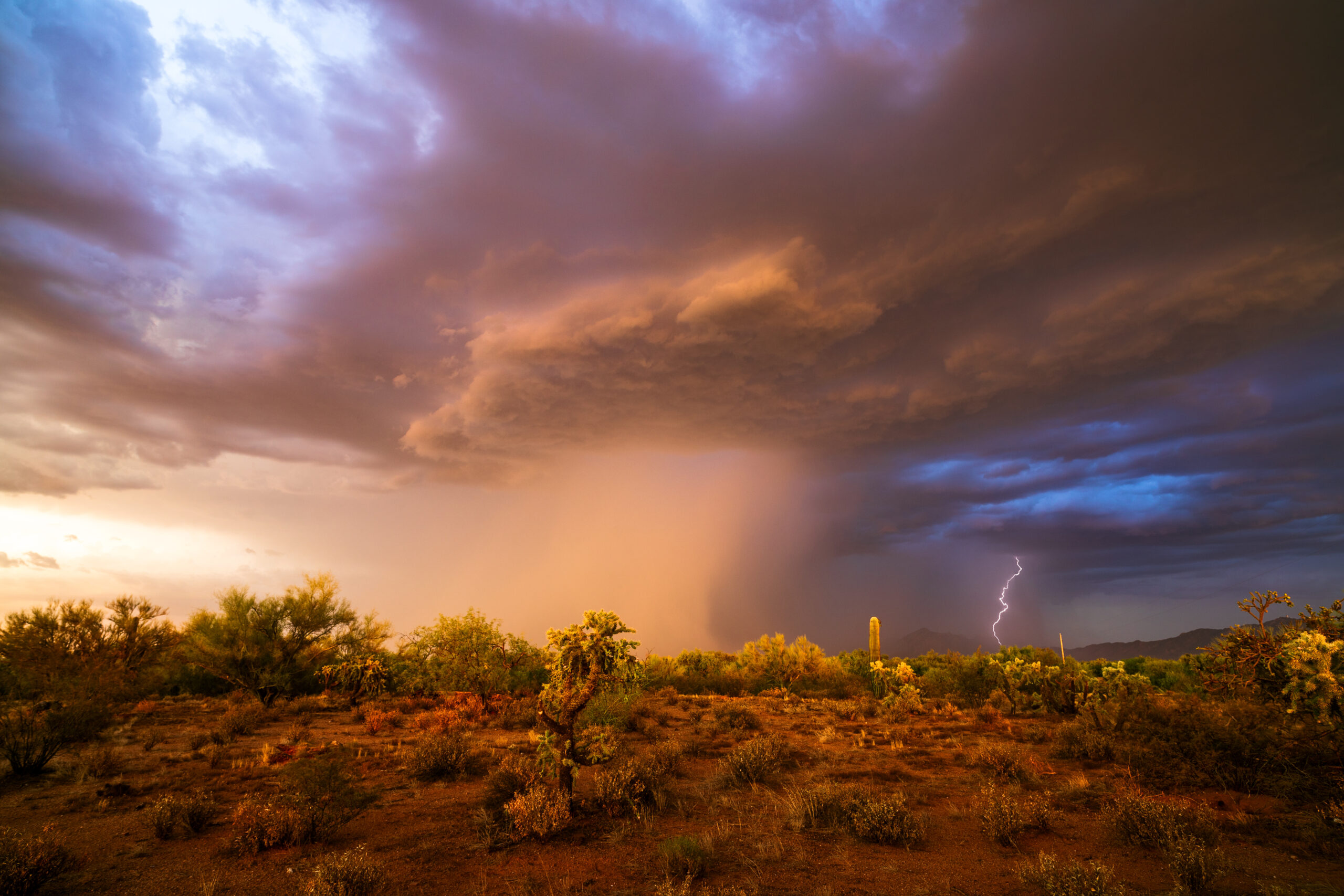
For many people, summer in Arizona brings to mind sunshine, pool days, and soaring temperatures. But longtime residents know there’s another season woven into Arizona summers: monsoon season.
From dramatic dust storms and powerful wind gusts to heavy rain and lightning, Arizona’s monsoon season can arrive quickly and leave just as fast. While these storms often provide much-needed relief from the heat, they can also put your home, landscaping, and outdoor living spaces to the test.
The good news? A little preparation goes a long way. Whether you’re settling into a new home or have lived in Arizona for years, taking a few simple steps before and during monsoon season can help protect your investment and give you peace of mind.
What Is Arizona’s Monsoon Season?
Arizona’s official monsoon season runs from June 15 through September 30, although the strongest storms typically occur during July and August.
Unlike the all-day rain events common in other parts of the country, Arizona monsoons often develop rapidly during the afternoon or evening. A calm, sunny day can quickly turn into strong winds, blowing dust, intense rainfall, lightning, and even flash flooding.
These weather patterns are simply part of life in the Southwest, but knowing what to expect can help homeowners stay prepared.
Start with Your Roof and Gutters
Your roof is your home’s first line of defense during a storm.
Even though Arizona receives relatively little rainfall throughout the year, monsoon storms can dump a surprising amount of water in a short period of time. Before the season is in full swing, it’s worth taking a few minutes to visually inspect your roof from the ground.
Look for signs such as:
- Missing or damaged roof tiles
- Debris collecting in roof valleys
- Tree branches hanging over the roof
- Areas where water may not drain properly
If your home has gutters, make sure they’re free of leaves, dirt, and other debris so water can flow away from your home efficiently. Clogged gutters can lead to overflowing water, staining, and unnecessary wear around your home’s exterior.
Pay Attention to Drainage Around Your Home
Heavy rain is only part of the equation. Where that water goes once it reaches the ground matters just as much.
Walk around your property after a storm and look for places where water tends to collect. Standing water near your foundation can eventually create problems if left unaddressed.
Simple maintenance can make a big difference:
- Keep drainage paths clear.
- Ensure downspouts direct water away from the home.
- Check that landscaping doesn’t block natural water flow.
- Avoid allowing decorative features or planters to trap water near the foundation.
Proper grading is one of those details homeowners rarely think about until a major storm arrives.
Secure Your Outdoor Living Spaces
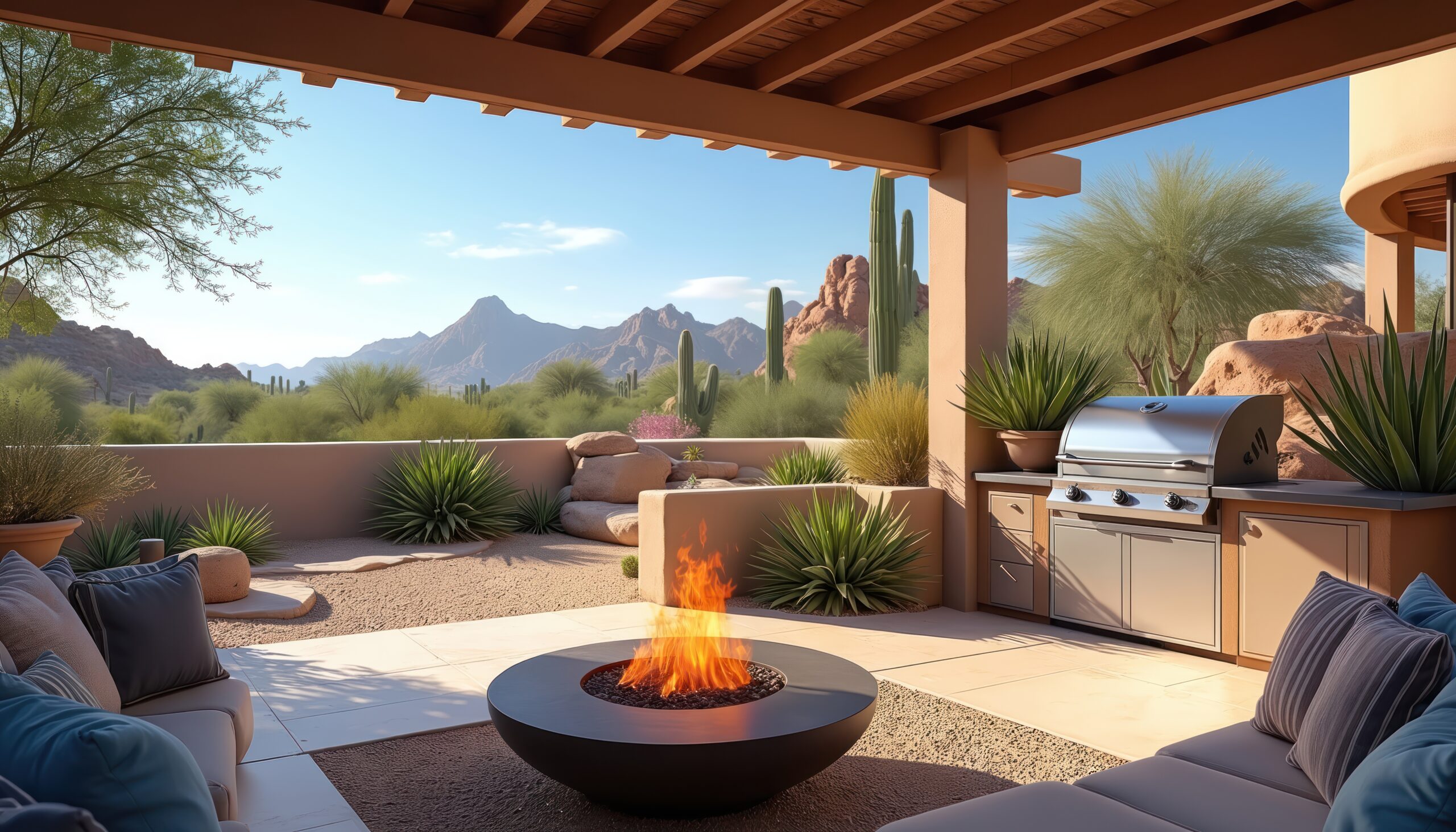
One of the biggest advantages of living in Arizona is enjoying outdoor living almost year-round. Covered patios, outdoor kitchens, comfortable seating areas, and backyard entertaining spaces are often extensions of the home itself.
Unfortunately, strong monsoon winds can quickly turn lightweight furniture or umbrellas into projectiles.
Before storms move through:
- Close patio umbrellas.
- Secure or store lightweight furniture.
- Bring cushions indoors if heavy rain is expected.
- Store decorative items that could blow away.
- Check pergolas, shade sails, and outdoor structures for loose hardware.
Taking just a few minutes to prepare your backyard before a storm arrives can help prevent unnecessary damage.
Don’t Forget Your Landscaping
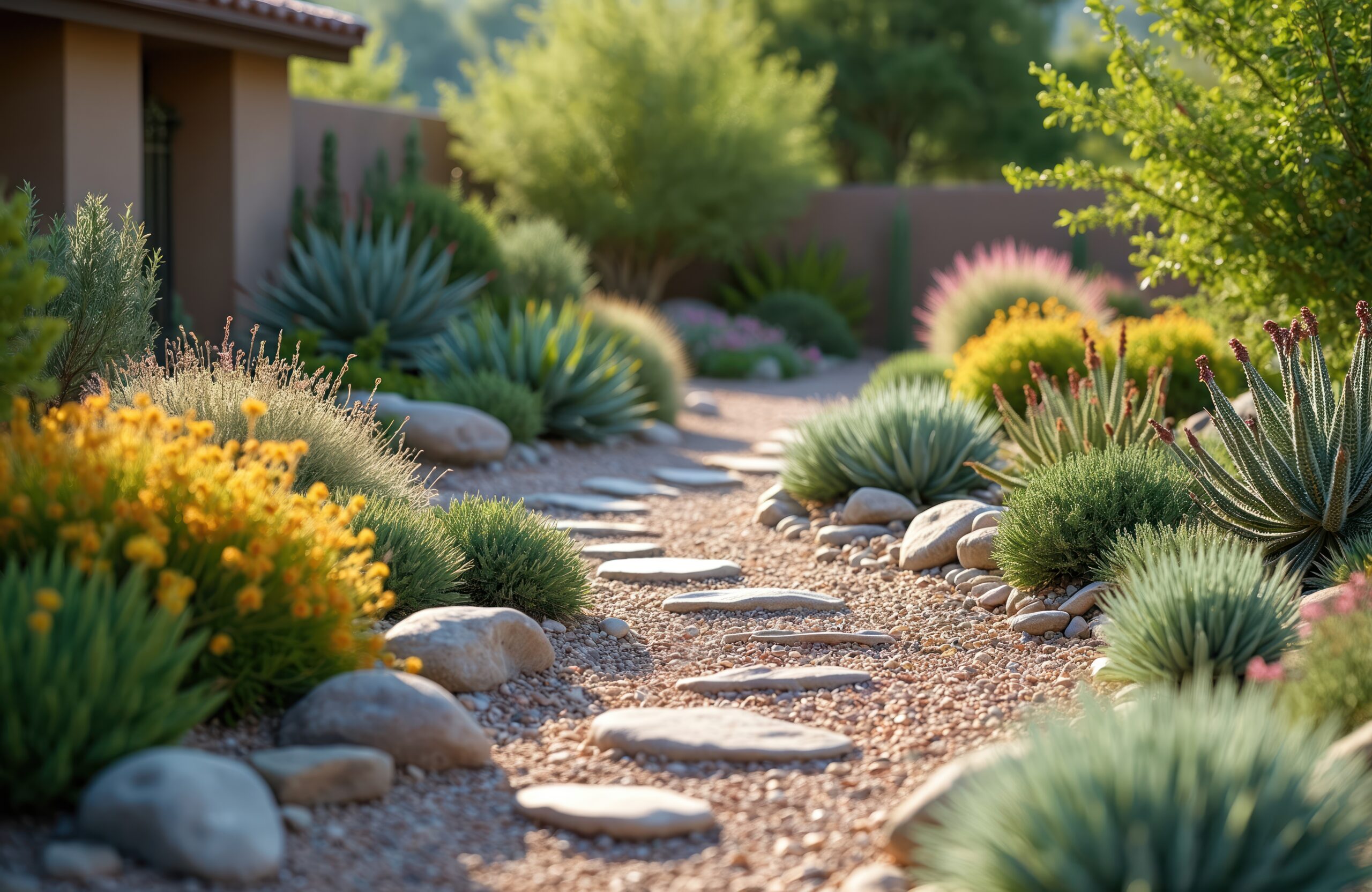
Arizona landscaping is designed differently than in many other parts of the country, but it still benefits from seasonal attention.
Monsoon winds are capable of breaking weak tree limbs or toppling trees with shallow root systems.
Consider:
- Pruning dead or damaged branches.
- Removing limbs that hang over the roof.
- Inspecting young trees for proper support.
- Making sure irrigation systems are functioning properly.
Healthy trees are generally much more resilient during high winds than neglected ones.
Protect Your Garage
Garages often become the catch-all storage space for everything from holiday decorations to tools, sporting equipment, and family keepsakes.
If water has ever entered your garage during a heavy rain, now is the time to address it.
A few easy precautions include:
- Store valuable items off the floor when possible.
- Check weather stripping around the garage door.
- Keep cardboard boxes away from areas where moisture may collect.
- Organize storage so important items are protected.
If your garage doubles as a workshop or hobby space, protecting electronics and tools from unexpected moisture is especially important.
Be Prepared for Power Outages
While most monsoon storms pass relatively quickly, occasional power outages can occur due to lightning or high winds.
A simple emergency kit can make those interruptions much less stressful.
Consider keeping:
- Flashlights with fresh batteries
- Portable phone chargers
- Bottled water
- Basic first-aid supplies
- Battery-powered weather radio
- Extra batteries
If you work from home, having a backup charging solution for laptops and mobile devices can also help minimize disruptions.
Know the Difference Between a Dust Storm and a Rainstorm
Arizona’s famous dust storms, often called haboobs, are among the most recognizable parts of monsoon season.
When a wall of dust approaches, visibility can drop dramatically within minutes.
If you’re home:
- Close all windows and doors.
- Bring pets inside.
- Wait until the storm passes before going outdoors.
If you’re driving, Arizona’s safety message is simple: Pull Aside, Stay Alive. Exit the roadway completely if possible, turn off your lights, set the parking brake, and wait until visibility improves before continuing your trip.
Knowing what to do ahead of time can make these storms much less intimidating.
Check Your HVAC System
During Arizona summers, your air conditioning system works harder than almost anywhere else in the country.
Monsoon season is a good reminder to make sure everything is operating efficiently.
Routine maintenance might include:
- Replacing air filters.
- Clearing debris around the outdoor condenser.
- Scheduling professional maintenance if needed.
- Ensuring vents inside the home remain unobstructed.
Keeping your HVAC system in peak condition not only improves comfort but may also help reduce energy costs during the hottest months of the year.
Review Your Home Insurance
Many homeowners file away their insurance paperwork and rarely think about it until something goes wrong.
Monsoon season provides a good opportunity to review your coverage.
Take a few minutes to:
- Confirm your policy information is current.
- Photograph valuable belongings.
- Document recent home improvements.
- Store digital copies of important records.
Having updated information readily available can simplify the claims process should severe weather ever cause damage.
Why Newer Homes Are Built with Arizona in Mind
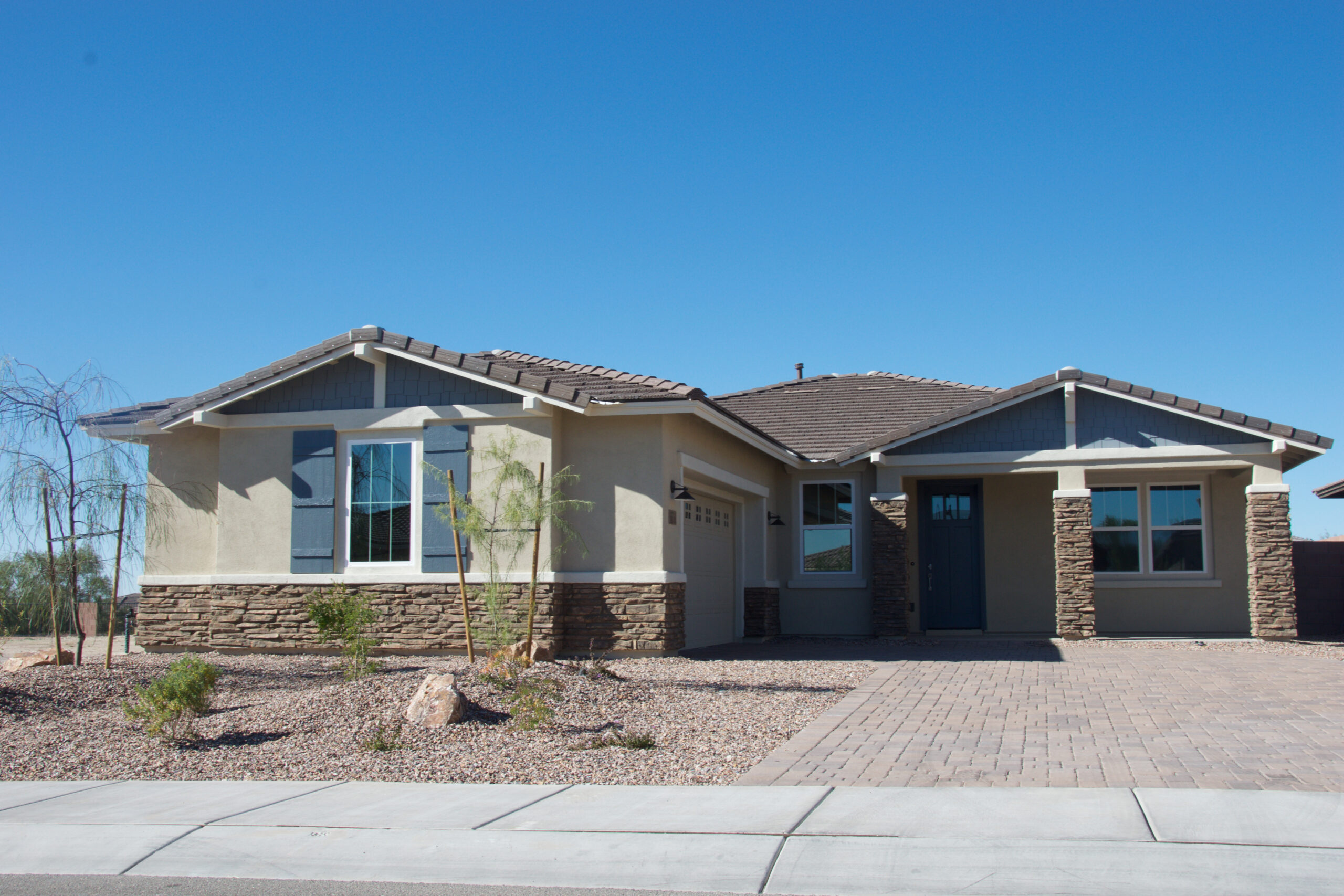
One advantage of purchasing a newly built home is that it’s designed specifically for today’s building standards and Arizona’s unique climate.
Modern homes often incorporate features intended to improve durability, comfort, and energy efficiency, including:
- Advanced roofing systems
- Energy-efficient windows
- Improved insulation
- Carefully engineered drainage plans
- Durable exterior materials
- Modern HVAC technology
These design improvements help homeowners enjoy greater comfort throughout the year while providing confidence during Arizona’s changing weather conditions.
A Little Preparation Makes a Big Difference
While Arizona’s monsoon season can produce some impressive storms, it doesn’t have to be a stressful time for homeowners.
Spending an afternoon checking your roof, securing outdoor furniture, trimming trees, and reviewing your home’s maintenance needs can go a long way toward protecting one of your biggest investments.
Monsoon season is also a reminder of what makes Arizona such a unique place to call home. The dramatic sunsets that follow a summer storm, the smell of rain on the desert, and the cooler evening temperatures are all part of living in the Valley.
With a little preparation and routine maintenance, you can enjoy everything the season has to offer while keeping your home ready for whatever Mother Nature brings next.
Whether you’re a first-time homeowner or have called Arizona home for decades, taking proactive steps today can help ensure your home remains comfortable, protected, and ready for many monsoon seasons to come.